Precise parameter customization solves the problem of solar panel power supply
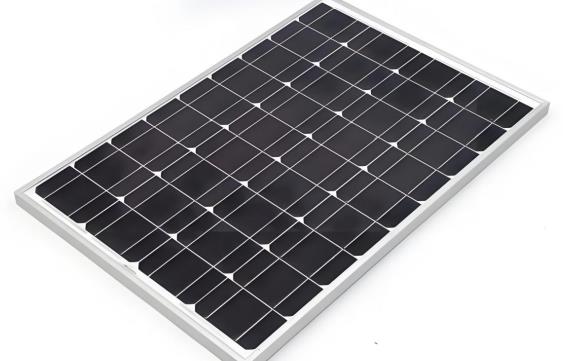
In solar power supply systems, the mismatch between voltage and current is the core pain point that leads to abnormal equipment power supply. If a 300W polycrystalline silicon solar panel is directly connected to a 12V battery, it will not only fail to achieve theoretical power generation, but also cause overheating of the controller and shortened battery life due to high voltage. The root cause of this problem lies in the insufficient parameter compatibility between solar panels, loads, and energy storage devices, and precise parameter customization is the key to solving this dilemma.
1、 Technical analysis: The underlying logic of parameter adaptation
The solar power supply system needs to meet the closed-loop matching of "power generation energy storage electricity consumption". The working voltage of solar panels needs to be 20% -30% higher than the battery voltage to ensure charging efficiency; At the same time, its output current needs to match the working current of the load device to avoid equipment shutdown due to insufficient current or component burnout caused by excessive current. For example, when charging a 12V/100Ah lead-acid battery, an 18V/5A solar panel needs to be used. If a 36V panel is used, the voltage needs to be adjusted through a voltage reduction controller, otherwise the charging efficiency will decrease by more than 50% due to current limitation.
The core of parameter adaptation lies in "dynamic balance". Taking the solar energy system of a motorhome as an example, if it is necessary to simultaneously supply power to a 12V refrigerator, LED lighting, and mobile phone charging, the total load power needs to be calculated first (such as 24W for the refrigerator, 10W for the lighting, and 5W for the mobile phone, totaling 39W), and then combined with the daily average lighting duration (such as about 4 hours in Jiangsu and Zhejiang regions), the solar panel power needs to be ≥ 97.5W (39W × 4h × 1.2 redundancy factor). If a single 100W board is used, it needs to be equipped with a 12V/100Ah lithium battery and MPPT controller to ensure a 3-day battery life on rainy days.
 العربية
 简体中文
简体中文 Nederlands
 English
 Français
 Deutsch
 Italiano
 日本語
日本語 한국어
한국어 Português
 Русский
 Español